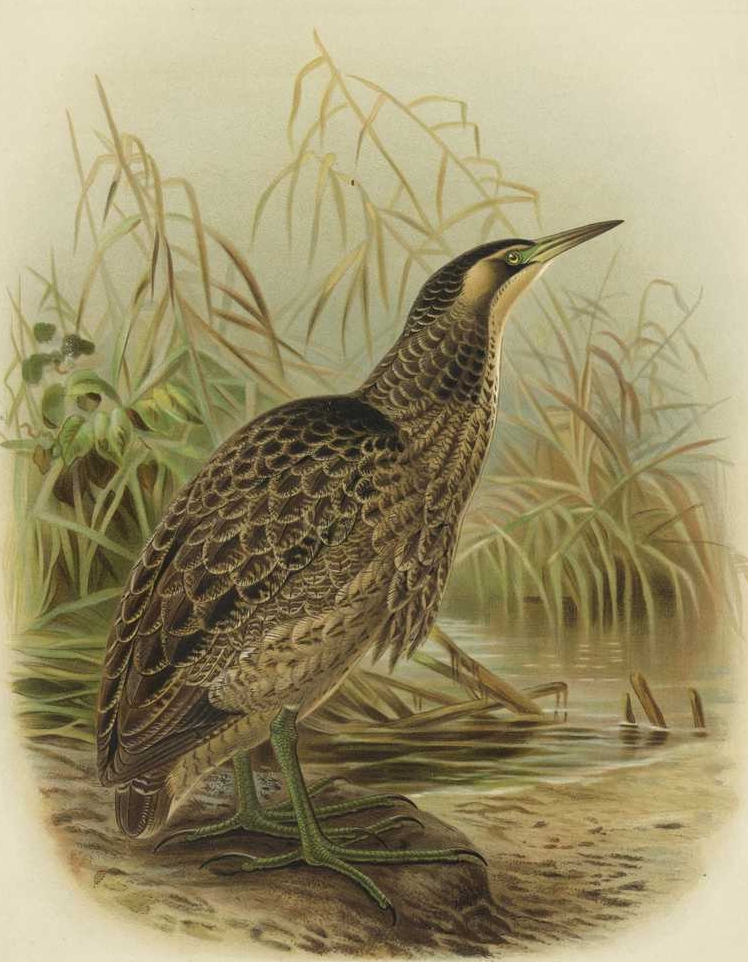
White-faced Heron
Egretta novaehollandiae
- Family
- Herons, Egrets, and Bitterns (Ardeidae)
- Order
- Pelecaniformes
Overview
The white-faced heron (Egretta novaehollandiae) also known as the white-fronted heron, and incorrectly as the grey heron, or blue crane, is a common bird throughout most of Australasia, including New Guinea, the islands of Torres Strait, Indonesia, New Zealand, and all but the driest areas of Australia.
It is a medium-sized heron, pale, slightly bluish-grey, with yellow legs and white facial markings. It can be found almost anywhere near shallow water, fresh or salt, and although it is prompt to depart the scene on long, slow-beating wings if disturbed, it will boldly raid suburban fish ponds.
Summary from Wikipedia, available under CC BY-SA 4.0.
Range and habitat
Lesser Sundas, southern New Guinea, Australia (except western deserts), Lord Howe and Norfolk islands (east of Australia), eastward to Solomon Islands, Fiji, and Tonga; self-introduced to New Zealand in 1940s, where now widespread in North, South, Stewart, and Chatham islands.
Range description: AviList Global Avian Checklist.
Sources and further reading
- Wikipedia: White-faced heron
- eBird: sightings, maps and photos
- xeno-canto: sound recordings
- Birds of the World: full species account (subscription)
- BirdLife DataZone: status and threats
- IUCN Red List (threat status)
- AviList global checklist (taxonomy)
Last updated September 29, 2026.