- JJanuary: Poor or no data
- FFebruary: Poor or no data
- MMarch: Poor or no data
- AApril: Poor or no data
- MMay: Good
- JJune: Best
- JJuly: Best
- AAugust: Best
- SSeptember: Best
- OOctober: Best
- NNovember: Best
- DDecember: Good
Twelve months of migration on one map
Follow the birds.
Plan birding trips around the world's great flyways: where to go, when to go, and what you will see when you get there.
Read the flyways as a list
- Pacific Americas
- Shorebirds and hummingbirds follow the Pacific coast from Alaska to Peru and Chile. Signature birds: Western Sandpiper, Rufous Hummingbird. Peak: Apr–May and Aug–Sep.
- Central Americas
- The Great Plains funnel cranes to the Platte River and millions of hawks through Veracruz and Panama. Signature birds: Swainson's Hawk, Sandhill Crane. Peak: Mar (cranes), Sep–Oct (raptors).
- Atlantic Americas
- Red Knots fly from Tierra del Fuego to the Arctic, refuelling on horseshoe-crab eggs in Delaware Bay. Signature birds: Red Knot, Blackpoll Warbler. Peak: May and Sep–Oct.
- East Atlantic
- Arctic breeders stage in the Wadden Sea and winter on the coasts of West Africa. Signature birds: Red Knot, Pink-footed Goose, Bar-tailed Godwit. Peak: Apr–May and Aug–Oct.
- Black Sea / Mediterranean
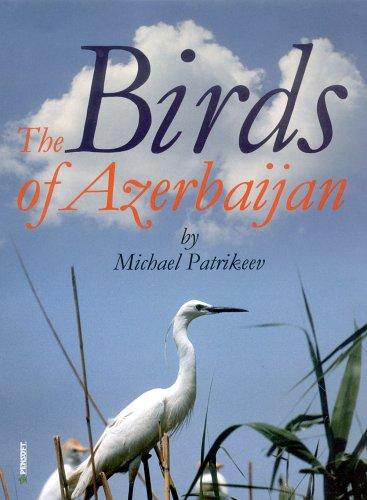
- Soaring birds avoid the open sea, crossing at the Bosphorus and Gibraltar and following the Rift Valley south. Signature birds: White Stork, European Honey-buzzard. Peak: Mar–May and Aug–Oct.
- East Asia / East Africa
- Amur Falcons roost in their hundreds of thousands in Nagaland, then cross the Arabian Sea to Africa. Signature birds: Amur Falcon. Peak: Oct–Nov.
- Central Asian
- Cranes and geese cross the Himalaya and Hindu Kush to winter in India. Signature birds: Demoiselle Crane, Bar-headed Goose. Peak: Sep–Oct and Mar.
- East Asian–Australasian
- Siberian shorebirds depend on the tidal flats of the Yellow Sea on the way to Australia. Signature birds: Spoon-billed Sandpiper, Great Knot, Far Eastern Curlew. Peak: Mar–May and Aug–Oct.
- West Pacific
- Bar-tailed Godwits fly non-stop from Alaska to New Zealand, and return north via the Yellow Sea. Signature birds: Bar-tailed Godwit. Peak: Sep–Oct.
- Marine: Atlantic to Southern Ocean
- Arctic Terns travel from the Arctic to the Antarctic and back every year: the longest migration of any animal. Signature birds: Arctic Tern, Wandering Albatross. Peak: Year-round at sea.
01Plan
Where to go in October
All destinations this month- JJanuary: Best
- FFebruary: Best
- MMarch: Best
- AApril: Good
- MMay: Poor or no data
- JJune: Poor or no data
- JJuly: Poor or no data
- AAugust: Poor or no data
- SSeptember: Poor or no data
- OOctober: Best
- NNovember: Best
- DDecember: Best
- JJanuary: Poor or no data
- FFebruary: Poor or no data
- MMarch: Good
- AApril: Good
- MMay: Poor or no data
- JJune: Poor or no data
- JJuly: Poor or no data
- AAugust: Poor or no data
- SSeptember: Best
- OOctober: Best
- NNovember: Good
- DDecember: Poor or no data
- JJanuary: Poor or no data
- FFebruary: Poor or no data
- MMarch: Poor or no data
- AApril: Poor or no data
- MMay: Good
- JJune: Poor or no data
- JJuly: Poor or no data
- AAugust: Poor or no data
- SSeptember: Best
- OOctober: Best
- NNovember: Good
- DDecember: Poor or no data
02Explore
Seven continents, one field notebook
03Found nowhere else
Endemic birds: one country, one chance
Explore endemics by countryThousands of species live in a single country or on a single island. They are the birds that make a trip unforgettable.
NT
LC 04Bird of the month
Black Sicklebill
Epimachus fastosus
The black sicklebill (Epimachus fastosus) is a large member of the birds of paradise family, Paradisaeidae. This species is found throughout most of central New Guinea and the Vogelkop region to the northwest in montane forests at altitudes from 1,800…
LCLeast Concern Photo: JJ Harrison · CC BY-SA 4.006Read
The Field Guide Compendium
Browse all field guidesEvery regional field guide worth packing, continent by continent, with coverage, level and our verdict.
07Equip