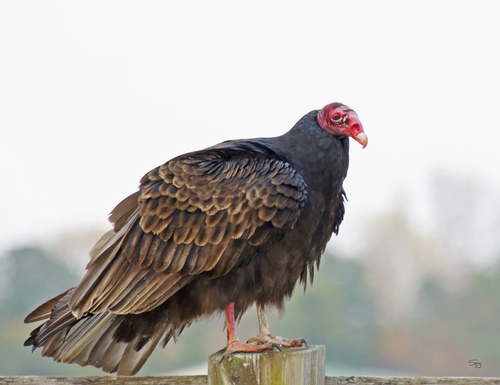
California Condor
Gymnogyps californianus
- Length
- 109–140 cm
- Family
- New World Vultures (Cathartidae)
- Order
- Cathartiformes
Overview
The California condor (Gymnogyps californianus) is a New World vulture and the largest North American land bird. It became extinct in the wild in 1987 when all remaining wild individuals were captured, but has since been reintroduced to northern Arizona and southern Utah (including the Grand Canyon area and Zion National Park), the coastal mountains of California, and northern Baja California in Mexico. It is the only surviving member of the genus Gymnogyps, although four extinct members of the genus are also known. The species is listed by IUCN as critically endangered, and similarly considered Critically Imperiled by NatureServe.
The plumage is black with patches of white on the underside of the wings; the head is largely bald, with skin color ranging from gray on young birds to yellow and bright orange on breeding adults.
Summary from Wikipedia, available under CC BY-SA 4.0.
Diet: Carrion of large mammals.
How to identify it
- Largest North American land bird; wingspan up to about 3 m
- Bare orange-pink head on adults
- Numbered wing tags on almost every bird
Voice
Silent apart from hisses.
Where to see it
- Big Sur and Pinnacles, California
- Vermilion Cliffs, Arizona
Similar species
- Turkey Vulture
- much smaller with a red head and silver flight feathers
Range and habitat
Formerly southern California; extinct in the wild, then reintroduced mainly into Pinnacles and Big Sur National Parks (central California), Los Padres and Sespe areas (southern California), San Pedro Martir (northern Baja California); and Grand Canyon and Zion National Parks areas (northern Arizona).
Range description: AviList Global Avian Checklist.
Sources and further reading
- Wikipedia: California condor
- eBird: sightings, maps and photos
- xeno-canto: sound recordings
- Birds of the World: full species account (subscription)
- BirdLife DataZone: status and threats
- IUCN Red List (threat status)
- AviList global checklist (taxonomy)
Last updated September 29, 2026.